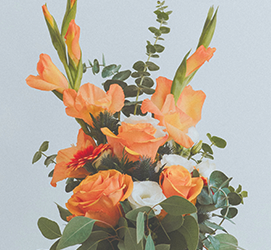
How Brentwood Council rules affect floral displays in Harold Park
Posted on 10/10/2026
If you are planning a floral display in Harold Park, the council rules can shape far more than the final look. They affect where flowers can go, how long they can stay, what materials are safe to use, and whether a display feels tidy or gets in the way. That matters whether you are arranging a wedding feature, a memorial tribute, a small business frontage, or a seasonal community display. The rules are not there to spoil the mood. They are there so the park stays usable, safe, and pleasant for everyone.
In practice, How Brentwood Council rules affect floral displays in Harold Park comes down to a few simple questions: is the display permitted, is it safe, does it respect the site, and does it look after the park rather than disturb it? Get those right and you usually avoid the awkward back-and-forth that nobody wants. Get them wrong and, well, a beautiful arrangement can become a remove-it-now problem rather fast.
This guide walks through the likely considerations in plain English, from permission and placement through to best practice, common mistakes, and a practical checklist you can actually use. It is written to help you make a display that feels right for the setting, not one that fights it.
Table of Contents
- Why the rules matter in Harold Park
- How the rules typically work in practice
- Key benefits of planning properly
- Who this is for
- Step-by-step guidance
- Expert tips for better results
- Common mistakes to avoid
- Tools, resources and recommendations
- Law, compliance and best practice
- Options and comparison table
- Real-world example
- Practical checklist
- Conclusion
- Frequently asked questions
Why How Brentwood Council rules affect floral displays in Harold Park Matters
Let's face it: flowers are meant to soften a place, not complicate it. But a public park is shared space, and shared space comes with shared rules. That is why the council's approach matters so much. A floral display that works beautifully in a private garden may be totally unsuitable in a park if it blocks a path, creates litter, attracts pests, or uses materials that could trip people up.
Harold Park is the kind of setting where small details matter. A low arrangement near a footpath can be charming at first glance, but if it narrows access on a busy day, it becomes a practical issue. A wreath secured poorly might look fine on placement day, then shift in wind or rain. Seasonal weather, foot traffic, maintenance schedules, and local expectations all play their part. Mid-morning in Britain, with damp grass and that slightly breezy air you get after a shower, even a well-made display needs to be thought through.
For residents, event organisers, florists, and families, the main reason to pay attention is simple: the council rules help you avoid wasted time and disappointment. They also protect the reputation of the person arranging the display. A tasteful installation can become a talking point for the right reasons; a non-compliant one can get taken down quietly and quickly. Nobody wants that after hours of careful work.
There is also a community element here. Public floral displays can be a sign of respect, celebration, remembrance, or local pride. When they are done well, they lift the park for everyone. When they are not, they can feel intrusive. So the rules are really about balance, not bureaucracy for its own sake.
How How Brentwood Council rules affect floral displays in Harold Park Works
The exact process depends on the type of display, where it is placed, and whether it affects public access or park operations. In broad terms, the council will usually care about a few recurring issues: safety, siting, materials, duration, and whether anything attached to the display might damage park property or create a maintenance burden.
Think of it this way. A display sitting on a table at a private event is one thing. A display fixed to railings, placed on grass, or set along a path in a public park is another. The more public the location, the more likely rules, permissions, or practical constraints come into play. That is not unique to Harold Park; it is normal for parks across London and the wider UK.
In real terms, a council may want to know things like:
- what the display is for
- how big it is
- where exactly it will go
- how it will be secured
- how long it will remain in place
- whether it uses items that could shed, stain, rot, or blow away
- whether it affects visibility, accessibility, or cleaning access
Not every floral display needs a formal process. A small bouquet for personal remembrance may be handled very differently from a larger arrangement installed for an event or seasonal feature. But the same common-sense questions still apply. If your display could be moved by children playing, dog walkers, staff mowing the grass, or a gusty afternoon, then it needs more thought. Simple as that.
A good florist or organiser will also check what the council expects around timing. Some displays are best placed just before the event or service, not days earlier. Fresh flowers have their own clock, after all. Even the prettiest roses do not love sitting around in sun, wind, or cold drizzle. A tidy display on Monday can look tired by Wednesday if nobody planned for upkeep.
Key Benefits and Practical Advantages
Working with the rules rather than around them has a few clear advantages. The obvious one is compliance, but the less obvious benefit is quality. A display that fits the site is usually calmer, neater, and more memorable.
Benefits of planning around council rules include:
- Fewer removals or objections - you reduce the risk of the display being taken down or questioned.
- Better presentation - arrangements that suit the site often look more elegant.
- Safer use of space - you are less likely to block paths, entrances, or sightlines.
- Less waste - you avoid reworking or replacing flowers that were installed in the wrong place.
- Good community relations - your display feels considerate, not intrusive.
- More predictable event timing - especially useful for weddings, funerals, public tributes, and branded displays.
There is also a subtle reputational benefit. People notice when a floral display sits naturally in a space. It looks considered. It feels like someone cared. That matters more than people admit. A neat arrangement of lilies and mixed blooms can be a lovely focal point, but if it is slightly awkwardly positioned, the eye notices that first, not the flowers.
For businesses and event organisers, this can translate into fewer last-minute surprises. You spend less time firefighting and more time enjoying the event. Not glamorous, perhaps, but very real. In our experience, the best floral displays are the ones nobody has to think about after they are installed - they just work.
Who This Is For and When It Makes Sense
This topic is relevant to more people than you might think. If you are only imagining a wedding arch or a single bouquet, you might assume public-space rules do not apply. But they often do once flowers move into a council-managed environment.
You should pay close attention if you are:
- planning a wedding, engagement, or anniversary feature in or near Harold Park
- arranging funeral flowers, tributes, or memorial arrangements in a public area
- organising a community event, fundraiser, or seasonal celebration
- decorating a business frontage close to park access points
- creating a temporary display for photos, promotions, or ceremonies
- ordering flowers on behalf of a family, group, or committee
It also makes sense if you are a florist who gets asked to "just put something nice in the park." That phrase, to be fair, can mean anything from a small hand-tied posy to a full arrangement with containers, signage, ribbons, and a few hopes and prayers. The more open-ended the request, the more useful the rules become.
If your display is modest, personal, and fully removable, you may only need sensible planning rather than formal permission. If it is bigger, fixed, or likely to remain in place, then you should assume more scrutiny. That is the safer way to approach it.
And if you are ordering flowers for delivery into the area, local service pages such as flower delivery in Harold Park and a local florist in Harold Park can be useful starting points when you want something arranged with the setting in mind.
Step-by-Step Guidance
Here is the practical part. If you want a floral display that respects Brentwood Council expectations and still looks beautiful, follow a process rather than winging it. Flowers deserve that much, honestly.
1. Define the purpose
Start by deciding whether the display is decorative, commemorative, ceremonial, promotional, or seasonal. Purpose drives everything else. A sympathy arrangement has different needs from a wedding centrepiece, and a public tribute has different expectations again.
2. Identify the exact location
"In Harold Park" is not precise enough. You need to know whether the display will sit on grass, near a path, by seating, close to an entrance, or in another public-facing point. Location affects safety, visibility, weather exposure, and whether maintenance staff need easy access.
3. Check whether the display is temporary or fixed
A temporary arrangement that can be removed quickly is generally simpler than anything fixed with wires, pins, frames, or heavy containers. If you need an anchor, make sure it does not damage surfaces or create a hazard. That tiny detail can save a lot of hassle later.
4. Choose materials carefully
Use clean, stable, park-friendly materials. Avoid anything likely to shed, stain, or blow away. If you are using ribbon, foam, candles, glass, or weighted containers, ask whether each item is appropriate for the site. A pretty display that leaves mess behind is not really a win.
5. Plan for weather and timing
British weather has a sense of humour. Wind, light rain, strong sun, and sudden cold can all affect fresh flowers. Choose hardy blooms when the display will be outdoors for any length of time, and schedule placement as close to the event as is practical. If you are ordering seasonal arrangements, something like summer flowers or a sturdier florist choice arrangement may suit the setting better than fragile blooms.
6. Confirm any permission or site expectations
If the display might affect a public area, confirm whether the council or site manager expects notice. Even a quick check can prevent problems. It is better to ask early than to find out at the end of the afternoon, while someone is trying to lift a damp arrangement off the grass. Not ideal.
7. Arrange upkeep or removal
Who checks the display after installation? Who removes spent flowers? Who clears packaging? These practical questions are easy to ignore and very hard to fix later. A good plan includes both the installation and the tidy-up.
8. Review before final placement
Walk back and look at the display from the viewpoint of someone passing by. Can people see where they are going? Is the area still comfortable to use? Does the arrangement suit the mood of the park? That last check often catches the most important thing.
Practical summary: the best floral displays in public spaces are usually the ones that look effortless because all the hidden decisions were made carefully in advance.
Expert Tips for Better Results
These are the small things that make a large difference. They are not flashy, but they matter.
- Keep the footprint modest. A display should fit the space, not dominate it.
- Use heavier bases for outdoor arrangements. This helps in wind and reduces tipping.
- Choose colours that suit the setting. Soft whites, greens, and pastels often feel calmer in memorial or park settings; brighter shades can work well for celebrations.
- Think about scent. Strong fragrance can be lovely, but not if it overwhelms a small area.
- Prioritise visibility and access. Paths and entrances need breathing room.
- Match flower choice to the season. A spring arrangement may behave very differently outdoors from an autumn one.
If you are choosing a local product, compare the style and purpose rather than just the picture. A tasteful basket, posy, or low arrangement often works better in a public park than a tall, top-heavy design. That is especially true near busy routes where children, dogs, wheelchairs, and buggies all share the same space. Real life, basically.
One more thing: label and coordinate. If multiple people are involved, make sure everyone knows who is responsible for delivery, placement, and removal. That sounds obvious until three people assume someone else handled it. Happens all the time.
Common Mistakes to Avoid
Most problems are not caused by bad intentions. They happen because people focus on the flowers and forget the site. The display looks lovely in a shop, then behaves very differently outdoors.
Watch out for these common mistakes:
- Ignoring access routes - even a small arrangement can be a nuisance if it narrows a path.
- Using fragile or messy materials - loose petals, glitter, and lightweight fittings can become litter fast.
- Assuming every location works the same - a corner lawn is not the same as a formal entrance area.
- Leaving the display in place too long - fresh flowers fade, and tired arrangements can look neglected.
- Forgetting the weather - what looks secure indoors may not survive a gusty afternoon.
- Failing to coordinate removal - if nobody owns the clear-up, the display becomes someone else's problem.
Another mistake is treating "permission" as a formality when it is actually part of the plan. If a display affects a public space, the people responsible for the site may have good reasons to care. Better to respect that upfront. It saves time, and it tends to produce a nicer result anyway.
And yes, a single ribbon can cause more drama than you expect. Outdoor spaces are funny like that.
Tools, Resources and Recommendations
You do not need a complicated toolkit, but a few practical items make life easier. The aim is not perfection. It is stability, clarity, and tidiness.
- Measuring tape - to check whether the arrangement will fit the space properly.
- Weather-resistant containers - helpful for outdoor or semi-outdoor displays.
- Securing materials - chosen carefully so they do not damage surfaces.
- Placement plan - a simple note showing where the display will sit and who handles it.
- Care instructions - especially useful if the display will be checked by someone else later.
For flowers themselves, the right product depends on the use case. If you need something understated and respectful, a basket, posy, or tribute-style arrangement may be more suitable than a tall bouquet. If you want colour and character for a celebration, something from the best-selling or seasonal range may be more practical. You can explore options like baskets and posies, tributes, or best sellers depending on the occasion.
It can also help to check the florist's practical pages on flower care and delivery if your display depends on precise timing. Those details are boring until the flowers arrive too early, too late, or already looking tired. Then they are suddenly very interesting.
Law, Compliance, Standards, or Best Practice
This is the section people often skip, then regret. The exact rules affecting floral displays can depend on the location, the landowner or manager, any public access concerns, and whether the display affects shared space. In a council-managed park, the safest approach is to assume that public safety, access, cleanliness, and protection of the site matter most.
Good practice usually means:
- not damaging park surfaces, trees, fixtures, or furniture
- avoiding obstructions to walking routes and entrances
- keeping arrangements stable and weather-aware
- using materials that will not create litter or contamination
- removing displays when they start to deteriorate
- respecting any instructions given by the council or site manager
From a compliance point of view, the main point is not to assume that public space behaves like private space. It does not. If you are unsure, ask before placement. That one step can save you from having to undo a display later. Quite honestly, it is one of the easiest ways to make everyone's day calmer.
For business users, it is also sensible to keep records of what was agreed, who delivered the flowers, and when they were due to be removed. That is not overkill. It is simply organised. If the arrangement is part of broader gifting or event planning, pages such as corporate accounts and about us may help you understand the service side as well as the floral side.
Options, Methods, or Comparison Table
Different kinds of floral displays suit different uses. The best choice depends on whether you need a personal tribute, a celebration piece, or something that can handle outdoor conditions in a public park.
| Display type | Best for | Strengths | Things to watch |
|---|---|---|---|
| Low basket or posy | Memorials, small tributes, discreet park displays | Stable, compact, respectful | Can look lost in very large spaces |
| Hand-tied bouquet | Gift-led occasions, quick deliveries | Flexible, attractive, easy to personalise | Less suitable if it needs to stand outside for long |
| Formal arrangement | Weddings, events, branded displays | Striking, adaptable, polished | May need more secure placement and planning |
| Tribute wreath | Funerals, remembrance, commemorative settings | Symbolic, compact, well understood | Requires care if exposed to weather |
| Large feature display | Special events, focal points, public celebrations | High visual impact | Most likely to need permission and careful positioning |
In a public park, the smaller and more self-contained option is often the easiest to manage. That does not mean it is less meaningful. Sometimes a simple arrangement says more than the biggest one on the block.
Case Study or Real-World Example
Imagine a family planning a small remembrance moment in Harold Park. They want flowers placed near a bench where their loved one used to sit. Nothing dramatic. Just a quiet, thoughtful arrangement for a few days. If they place a loose bouquet directly on grass, it may be moved by wind, dampened by rain, or disturbed by maintenance. If they choose a low, stable basket with a card, place it where it does not block the path, and remove it on the agreed date, the moment stays respectful and manageable.
Now imagine a different scenario: a local organiser wants floral displays for a community celebration and hopes to line a park walkway with decorative arrangements. That may sound lovely, but the details suddenly matter. Can people still pass comfortably? Will the displays survive weather? Are the containers stable enough? Is there a clear plan for removal after the event? Once those questions are answered, the idea becomes much stronger - and much more likely to work in the real world.
That is the pattern you will see again and again. The successful displays are the ones that balance atmosphere with practicality. Not every arrangement needs to be huge. In fact, some of the most elegant public displays are the quiet ones that sit naturally in the space and let the park do the rest.
Practical Checklist
Use this checklist before any floral display is placed in or around Harold Park:
- Have you identified the exact purpose of the display?
- Is the location specific enough to check access, safety, and weather exposure?
- Will the arrangement stay temporary, or does it need formal approval?
- Are the materials suitable for a public outdoor space?
- Can people still pass safely and comfortably?
- Have you thought about wind, rain, and heat?
- Is someone responsible for checking the display after placement?
- Is removal planned, dated, and realistic?
- Does the display respect the tone of the setting?
- Have you kept a note of any instructions or agreements?
If you can tick most of those boxes, you are already ahead of the game. It is the unglamorous stuff that keeps a display looking graceful.
Get a free quote today and see how much you can save.
Conclusion
How Brentwood Council rules affect floral displays in Harold Park is really about making sure flowers enhance the space instead of creating friction. The rules help protect access, safety, tidiness, and the shared feel of the park. They also help you make better decisions: better placement, better materials, better timing, better results.
If you remember only one thing, make it this: plan the display for the space it will live in, not just the space it will be photographed in. That one shift changes everything. And truth be told, the nicest floral displays usually feel easy because someone was careful beforehand.
That kind of care shows. People notice it, even if they do not say so out loud. And that is often the difference between a display that simply exists and one that quietly brightens the whole park for a moment.
Frequently Asked Questions
Do I need permission for a floral display in Harold Park?
It depends on the size, location, and whether the display affects public access or park property. Small, removable arrangements may be simpler, while fixed or larger displays are more likely to need approval or at least a check with the site manager.
What kind of floral display is usually safest for a public park?
Low, stable arrangements such as baskets, posies, and compact tribute pieces are usually easier to manage. They sit neatly, are less likely to topple, and tend to work better in shared public spaces than tall or loose displays.
How long can flowers stay in place before they look tired?
That depends on the weather and the flowers chosen. Outdoor displays can fade quickly in sun, wind, or cold. As a general rule, plan for removal or refresh before the arrangement starts to look neglected.
Can I use candles, glass, or decorative accessories?
Sometimes, but only if they are safe for the setting. In public park environments, anything fragile, sharp, or easy to tip over needs extra caution. If in doubt, simpler materials are usually a better choice.
What flowers work best for outdoor memorial displays?
Hardier flowers and compact arrangements tend to work best. Many people choose wreaths, baskets, or low tributes because they look respectful and stay together more reliably outdoors.
Are wedding floral displays treated differently from memorial flowers?
Yes, often they are. Weddings tend to focus more on decoration, timing, and visual impact, while memorial displays usually place more emphasis on dignity, restraint, and site sensitivity. The setting still matters in both cases.
What is the most common mistake people make?
The most common mistake is forgetting that public space has to stay usable for everyone. A beautiful display that blocks access or creates a maintenance issue can quickly become a problem, even if the flowers themselves are perfect.
How do I know whether my display is too big?
A good test is to step back and imagine how it affects the space around it. If people need to squeeze past, if it dominates a small area, or if it feels fragile in the weather, it is probably too large for that location.
Should I tell the council before placing flowers in the park?
If the display is more than a personal, temporary tribute, it is wise to check in advance. A quick conversation can clarify expectations and save you from having to move or remove the arrangement later.
Can a florist help with compliance as well as design?
Absolutely. A local florist can help choose flowers, sizes, and containers that suit the setting. That practical guidance is often just as valuable as the design itself, especially for public or outdoor placements.
What should I do if the display needs to be removed early?
Have a removal plan from the start. If weather changes, if the site needs clearing, or if the council requests it, being able to remove the display quickly is far easier when responsibility has already been agreed.
Is there a budget-friendly way to make a display look elegant?
Yes. Simpler arrangements can be very effective when the flower choice, container, and placement are thoughtful. A clean, well-balanced display often looks better than an expensive one that feels overdone or out of place.